2D and 3D design are essential tools in architecture, interior design, engineering, and product development. These digital design techniques help visualize spaces, structures, or products before they are built, reducing errors and improving accuracy.
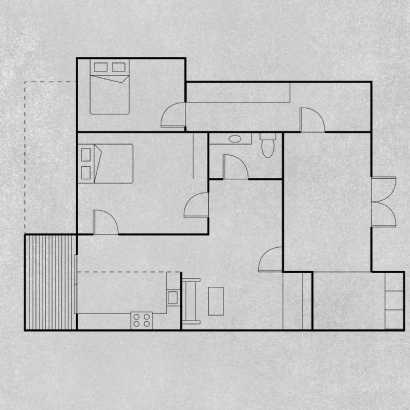
2D design shows flat layouts, plans, and technical drawings
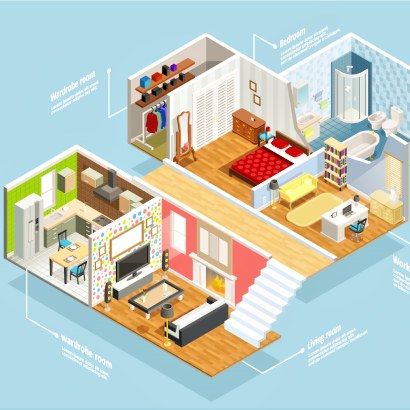
3D design adds depth and realism for better visualization
Used in architecture, interior design, animation, and more
2D Design
2D design involves flat, two-dimensional drawings such as floor plans, layouts, and elevations. It is essential for technical planning and serves as the foundation for construction and space organization.
3D Design
3D design adds depth, perspective, and realism to visualizations, helping clients see how a space or product will look in real life. It enhances creativity, clarity, and faster decision-making during the design process.
Role in Interior and Architectural Projects
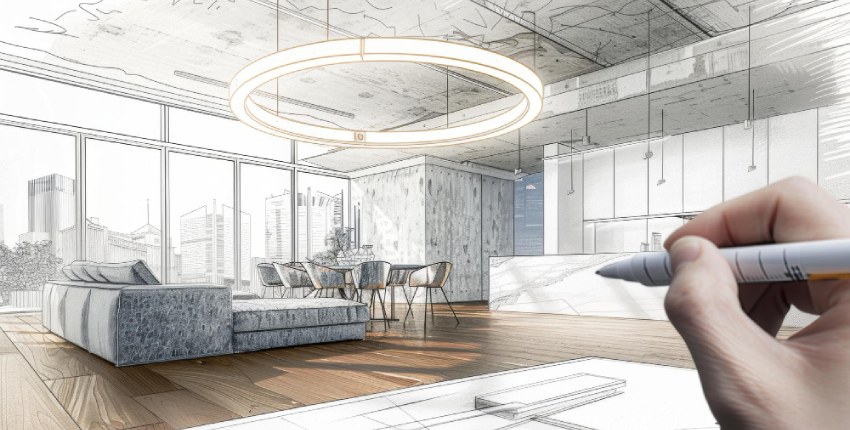
In interior and architectural design, 2D drawings are used for layout planning, while 3D models bring concepts to life by simulating space, lighting, textures, and materials. These tools help clients understand and approve designs with clarity.
2D plans include floor plans, elevations, and sections
3D renders offer realistic views of completed spaces
Helps in better decision-making and early design approval
Benefits of 2D/3D Visualization
Using 2D/3D design enhances creativity, precision, and communication between designers and clients. It saves time, reduces rework, and allows for real-time changes, making the design process more efficient and professional.